Soft Toys for the Coloring Book: Graphics&Coloring Pages Amp
As a blog designer and digital publisher, I download dozens of graphic design assets every month, searching for ones that truly work in a live editorial environment. The moment I unzipped Soft Toys for the Coloring Book, I knew this was different. The set of soft toy illustrations carried a gentle, hand-drawn warmth that instantly felt like a real brand asset rather than a generic clip art pack. Whether you run a parenting blog, a craft website, an early childhood education resource hub, or a family‑focused affiliate site, the editorial mood this collection creates is both inviting and trustworthy. It’s not just a coloring page; it’s a versatile creative design asset that can quietly lift the visual standard of everything you publish.
The Visual Mood: Why Soft Toy Illustrations Build Instant Reader Trust
First impressions on a content website happen in milliseconds. The Soft Toys for the Coloring Book graphics deliver a visual language that feels approachable, nostalgic, and safe—exactly the kind of emotional cue that keeps readers on the page. In a niche where trust is everything (parenting, education, home activities), a polished but unassuming illustration style signals that you understand your audience. The soft, rounded shapes and uncluttered line work of these toy figures create a clean, modern design that doesn’t compete with your headlines. Instead, it frames them. For a blog monetizing through affiliate links, lead magnets, or digital products, that kind of positive reader perception can directly influence click‑through rates and time on site.
Inside the Zipped File: A Format Breakdown for Busy Publishers
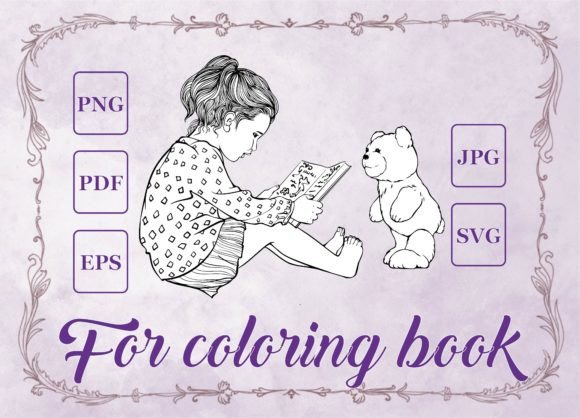
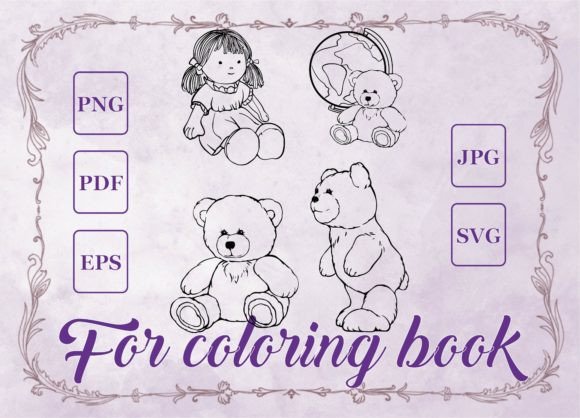
When you purchase Soft Toys for the Coloring Book, you receive a zipped package containing PDF, JPG, PNG, SVG, and EPS files. This is a thoughtful, publisher‑ready structure. The PDF gives you an instant, ready‑to‑print coloring book page, perfect for a downloadable resource. The JPG is a quick‑use raster image for blog posts or social media. The PNG has a transparent background, which is a game‑changer for layering the soft toy illustrations over custom backgrounds, photos, or textured web designs. The SVG is a vector graphic, infinitely scalable and ideal for sublimation, print‑on‑demand, and any editorial layout where you need the graphic to remain crisp at any size. The EPS file rounds out the set for designers working in professional software. Having all these formats means you can use the same asset as a hero image, a Pinterest pin, a newsletter header, and a printable lead magnet—all without quality loss.
From Blog Hero Image to Lead Magnet: Real Publishing Workflows
I tested Soft Toys for the Coloring Book inside a typical content publishing workflow. The goal was to see how easily it could be adapted for different editorial touchpoints. Here’s how I used it:
- Blog featured image: I placed the transparent PNG version of a teddy bear illustration over a soft pastel gradient in Canva, added a sans‑serif headline, and the result was a clean, clickable hero image that felt perfectly aligned with a “10 Calming Activities for Kids” article.
- Pinterest pin: Using the SVG scaled to 1000×1500 pixels, I layered bold text and a subtle watermark. The hand‑drawn style stood out against the typical photographic pins, and the gentle color palette encouraged saves.
- Content upgrade: I packaged the PDF as a free printable coloring page, offered as a lead magnet. The soft toy theme made the download feel like a gift, not a marketing ploy.
- Newsletter graphic: A small PNG version of the toy bunny became the hero element in a weekly email roundup, giving the message a consistent, friendly tone.
- Affiliate content visual: I designed a Canva template for a “best crayons for coloring” post, using the soft toy illustration as a background accent. The visual hierarchy was clear: the toy graphic set the mood, while the product photos and buy buttons handled the conversion.
In every case, the Soft Toys for the Coloring Book graphics supported a clear visual hierarchy, reinforcing the brand identity without overwhelming the text.
Where This Graphic Design Asset Performs Best
Based on my testing, these are the publishing spots where this collection shines:
- Hero images and article headers for family, craft, and educational content
- Pinterest pins that need a soft, clickable, editorial feel
- Blog thumbnail graphics for category pages and related post sections
- Downloadable resource covers for printable coloring pages, activity sheets, and digital guides
- Newsletter headers and email marketing visuals
- Social media story graphics and Facebook link previews
- Digital guide or eBook cover for a parenting or teacher resource
- Canva templates designed for affiliate marketing or small business branding
The Soft Toys for the Coloring Book graphics work especially well for lifestyle, parenting, early childhood, DIY, and creative marketplace niches. The playful, decorative nature of the illustrations makes them feel like a natural extension of the content, not an afterthought.
When to Hold Back: Scenarios Where Soft Toys Graphics Need Extra Care
No design asset is universal. I’d be cautious using Soft Toys for the Coloring Book in these situations:
- Serious professional niches: A corporate finance blog or a legal advice website would likely find the style too playful, risking a disconnect with the audience.
- Very small mobile thumbnails: The delicate line details can get lost at extreme sizes. Test the graphic at 150×150 pixels to ensure the toy’s shape remains recognizable.
- Text‑heavy blog images: If you need to overlay a lot of copy, the illustration may become a distracting background. In those cases, use the graphic as a subtle sidebar accent instead.
- Low‑contrast backgrounds: The soft, often light coloring of the toys can fade into pastel websites. Always check readability and contrast, especially on white or cream layouts.
- Minimal, ultra‑modern visual systems: If your brand relies on stark geometric shapes and monochrome palettes, these hand‑drawn soft toys might feel inconsistent.
The key is to use the asset intentionally, not to force it. In the right spot, it builds warmth; in the wrong frame, it can look out of place.
Testing the Asset Across Screens and Fonts: A Publisher’s Checklist
Before publishing any graphic made with this collection, I run through a quick quality control process. I recommend every blogger, content creator, and digital marketer do the same:
- Mobile and desktop preview: Check how the graphic looks on a phone screen. The toy silhouette should be clear even at 400 pixels wide.
- Thumbnail simulation: Resize the image to 150×150 px and 300×250 px to see if the soft toy is still identifiable. This matters for category pages and related posts.
- Font pairing test: Place the illustration beside a serif heading, a sans‑serif subheading, a script font, and a handwritten font. The graphic should harmonize without clashing. I found that a clean sans‑serif like Inter or Montserrat paired with the soft toy line art creates a lovely modern‑meets‑playful balance.
- Readability and contrast: Overlay white or dark text on the image. The PNG’s transparency lets you adjust the background, but always check that the text remains legible.
- Grayscale check: Convert to black and white to see if the illustration still holds its emotional tone. For black‑and‑white printable coloring pages, the PDF probably already works, but for web graphics, a grayscale version can be a clever design twist.
- File size optimization: Compress the JPG and PNG for web use. The original files may be large; a properly compressed blog graphic should be under 200 KB to keep page speed fast.
- Commercial license review: Confirm that the Soft Toys for the Coloring Book license allows use on monetized websites, affiliate pages, and in paid content products. This is non‑negotiable for anyone running a business blog.
The SVG Vector Bonus: More Than Just a Coloring Page
The SVG file, described as suitable for sublimation and just about anything else, is a standout feature. For digital publishers, the vector format means you can resize the soft toy graphic to any dimension without losing sharpness. This is essential for creating a consistent website header, a billboard‑style Pinterest pin, or a large‑format printable poster. I imported the SVG into Adobe Illustrator, tweaked the stroke weight slightly, and had a custom editorial accent that matched my brand colors perfectly. Even if you never touch sublimation, the vector scalability makes this graphic design asset a long‑term investment for your visual library.
Building a Cohesive Brand with Soft Toys for the Coloring Book
One of the most underrated aspects of a well‑chosen design asset is how it ties a brand together. When you use the same soft toy illustration style across your blog, email, social media, and downloadable resources, you create a subtle but powerful visual signature. Readers start to recognize your content before they even read the headline. For affiliate marketing sites, content marketing platforms, and small business branding, this consistency builds trust and improves engagement. Soft Toys for the Coloring Book gives you a themed set of graphics that can serve as the playful anchor for an entire editorial calendar, from seasonal holiday posts to evergreen educational guides.
Final Publisher Notes on File Quality and Commercial Use
After using Soft Toys for the Coloring Book in multiple real‑world scenarios, I can say it’s a reliable, thoughtfully packaged graphic design asset. The inclusion of the transparent PNG, the scalable SVG, and the ready‑to‑print PDF reflects an understanding of what modern publishers actually need. The illustrations themselves are clean, charming, and editorial enough to sit comfortably on a professional blog without looking amateurish. Before you add it to your toolkit, always confirm the commercial license details—especially if you plan to bundle the coloring pages into a paid digital product or use the graphics on a high‑traffic monetized website. With proper compression, careful placement, and smart font pairing, Soft Toys for the Coloring Book can elevate your visual storytelling and help your content feel more polished, more clickable, and more genuinely human.