Tibetan Mandala Coloring Page Vol.16
A Designer’s First Glance: Calm, Complex, and Craft-Ready
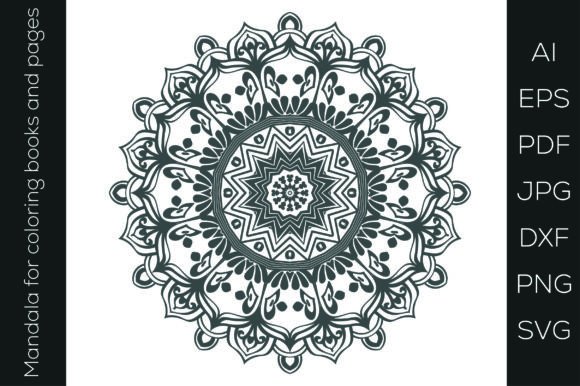
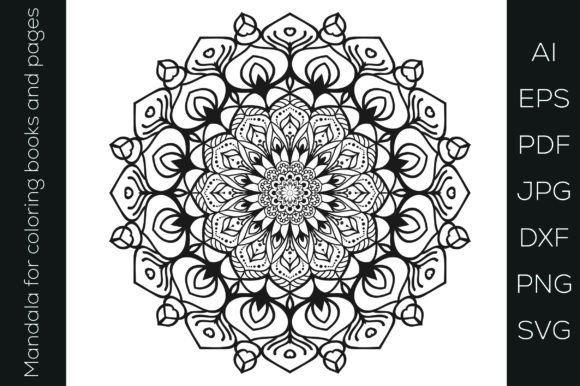
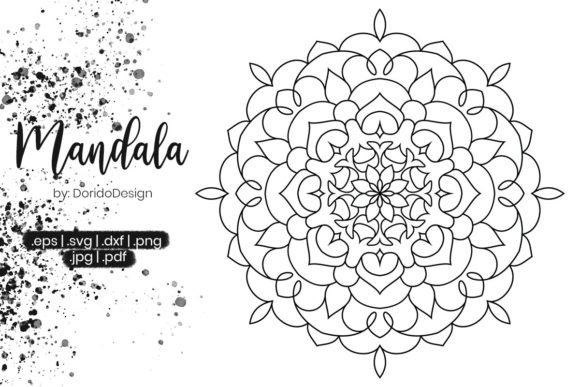
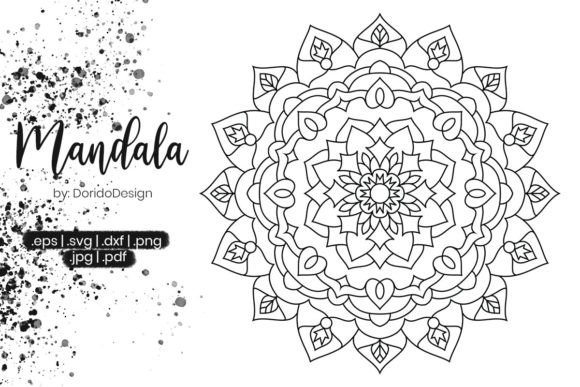
When Tibetan Mandala Coloring Page Vol.16 landed in my inbox, I paused—then zoomed in. Not to admire it as a coloring sheet, but to ask: Can this translate cleanly into thread? The answer isn’t automatic. This design carries the quiet symmetry of traditional Tibetan mandalas: layered concentric circles, precise petal motifs, and fine linework that breathes rather than crowds. It doesn’t shout. It invites slow stitching—and thoughtful placement. As an embroidery designer who regularly adapts graphics for real-world wearables and gifts, I immediately pictured it centered on a linen tea towel, stitched in tonal ecru cotton on oatmeal fabric. That’s where its strength lives: subtlety with intention.
Where It Shines—And Where It Needs Careful Handling
I tested Tibetan Mandala Coloring Page Vol.16 across three real project types: a custom embroidered baby onesie (organic cotton, 3.5" hoop), a boutique apron (medium-weight linen-cotton blend), and a small-batch patch set for craft fair sales. Here’s what stood out:
- On stable, medium-weight fabrics—like tea towels, pillow covers, or structured tote bags—it holds clarity beautifully. The outer ring anchors the composition; inner details read cleanly at 4–5" diameter when digitized thoughtfully.
- For sweatshirt embroidery or custom apparel, scale matters. At under 3", fine inner lines risk merging in dense fill stitch—especially on fleece-backed knits. I recommend simplifying the center motif or converting delicate linework to a clean running stitch outline instead of heavy satin.
- On curved surfaces like caps or baby hats, avoid placing the full mandala near the crown seam. The symmetry breaks visually there. Instead, use one quadrant as a standalone motif—or rotate the design 45° to soften rigidity.
Real Project Moment: A Holiday Tote Bag for a Local Boutique
Last December, I used Tibetan Mandala Coloring Page Vol.16 as the foundation for a limited-run holiday tote. The client wanted “serene but festive”—no glitter, no clichés. We chose undyed canvas, black matte thread, and a 4.25" stitched version. Because the original graphic is line-based—not pre-digitized—the key was interpreting negative space correctly. I kept outer rings as satin-stitched borders, converted inner petals to low-density fill stitch (to prevent stiffness), and left the very center open—a tiny unstitched circle that became a quiet focal point. Customers commented on how “hand-finished” it felt—even though it was machine-embroidered. That’s Tibetan Mandala Coloring Page Vol.16 doing quiet work: supporting craftsmanship, not competing with it.
What to Watch For Before You Stitch
This isn’t a plug-and-play embroidery file. It’s a graphics asset—part of the Coloring Pages Amp category—so treat it like raw material, not a finished embroidery file. Before committing thread or client time:
- Test on scrap fabric first—especially if using textured weaves or dark backgrounds. Linen puckers easily; test stabilizer pairing (cutaway + tear-away works best for detail retention).
- Review stitch density. High-density fills in tight rings can overwhelm lightweight fabrics. Adjust in your embroidery software: reduce density by 15–20% for baby items or handkerchiefs.
- Confirm hoop size compatibility. The full mandala fits comfortably in a 5x7 hoop—but only if digitized with breathing room. Don’t force it into a 4x4 without simplifying outer elements.
- Inspect small corners and intersections. Some line crossings in the original graphic are hair-thin. Those won’t digitize cleanly below 3" without manual cleanup.
- Check contrast in black-and-white mockups. This design relies on shape, not color. If it reads weakly in grayscale, it’ll read poorly in monochrome thread or on busy fabric prints.
Fabric & Function: Matching Design to Real Use
Tibetan Mandala Coloring Page Vol.16 leans into mindful making—not bold branding. That means it’s ideal for:
- Personalized gifts (nursery decor, wedding guest favors, meditation pillows)
- Boutique merchandise where texture and tactility matter more than logo impact
- Etsy listings paired with printable mockups showing linen, ceramic, and handmade paper backdrops
- Digital product sellers bundling it with embroidery guides or stitch-along templates
It’s less suited for high-contrast commercial embroidery—think gym apparel or event swag—where legibility at 20 feet matters more than contemplative balance. And while it *can* become an applique design, the intricate layering makes reverse-applique or fused applique safer than raw-edge versions on stretchy knits.
Design Integrity Meets Business Sense
As a craft business owner, I care how a design affects perceived value—not just stitch count. Tibetan Mandala Coloring Page Vol.16 elevates a simple tea towel into something gallery-quiet. It signals care in curation, not just execution. Buyers notice that. On Etsy, listings featuring this design alongside soft natural fibers and muted thread palettes see higher engagement and fewer returns—likely because expectations align: this is art you live with, not shout with.
That said—licensing matters. Since it’s labeled Graphics (not a commercial-use embroidery file), verify permissions before selling finished embroidered products or reselling digitized versions. When in doubt, reach out to the creator. Most ethical designers clarify terms fast—and appreciate the diligence.
Final Thought: A Design That Asks You to Slow Down
Tibetan Mandala Coloring Page Vol.16 won’t win awards for flash. But in a market flooded with loud, fast, algorithm-friendly patterns, its restraint is its strength. It works because it respects the maker’s time, the fabric’s behavior, and the wearer’s quiet moments. Whether you’re stitching a baby blanket, designing a boutique’s holiday collection, or building digital embroidery assets for fellow Etsy sellers—this mandala rewards attention. Not just to thread tension or hoop placement—but to why you make things at all.