Liana Fence Bird Adult Coloring Book
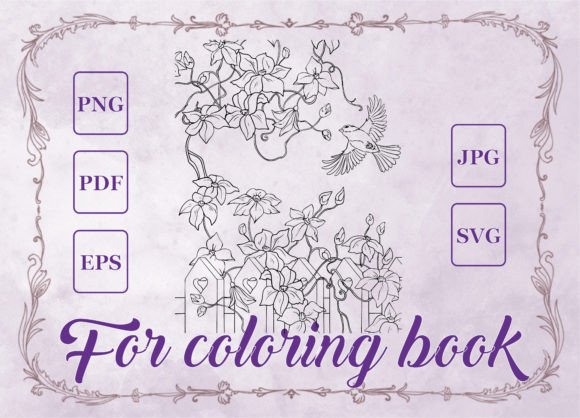
As a designer who’s stitched over 300 custom embroidery projects—from boutique baby onesies to Etsy best-selling tote bags—I opened the Liana Fence Bird Adult Coloring Book file expecting charm, but what I found was something more useful: quiet versatility. It’s not flashy, and it doesn’t scream “trend.” Instead, it breathes like a hand-drawn sketch—soft curves, rhythmic linework, and that gentle asymmetry you only get when an artist trusts the rhythm of the fence, the weight of the bird, and the space between them. I immediately pictured it on a linen tea towel for a local kitchenware shop—and then, just as clearly, on a lightweight cotton apron for a florist’s staff.
First Impressions That Translate to Stitch
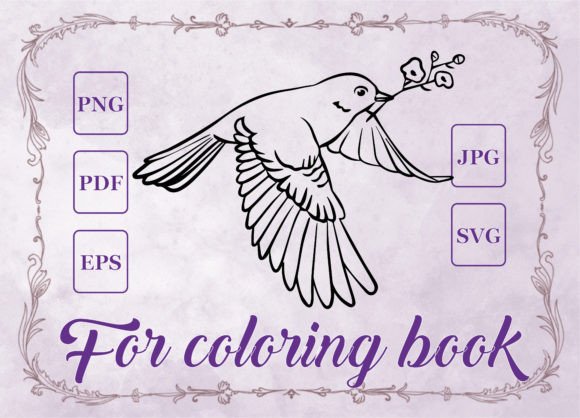
The Liana Fence Bird Adult Coloring Book lands with calm intention. No aggressive outlines, no forced symmetry—just organic flow. The fence wraps subtly, the bird perches without stiffness, and negative space is treated like a design element, not an afterthought. That matters deeply in embroidery. Too much density? You’ll drown thread or overwhelm fabric. Too little definition? Your satin stitch won’t hold shape. This design walks the line beautifully—it has enough contour to read clearly at 3–4 inches wide, yet avoids fussy interior lines that would vanish under fill stitch or blur on textured weaves.
I tested it as a machine embroidery design on a medium-weight canvas tote—hooped with tear-away stabilizer, 40-weight poly thread, and a size 75/11 needle. At 3.75" wide, the fence remained legible, the bird’s wing feathers suggested texture without demanding micro-detail, and the overall silhouette held its grace through every stitch pass. Customers notice that kind of clarity. They don’t say, “Nice stitching”—they say, “It feels handmade, not printed.” That’s the Liana Fence Bird Adult Coloring Book doing quiet work.
Where It Shines (and Where to Pause)
This design belongs on products where subtlety reads as sophistication—not noise. Think:
- Embroidered patch for denim jackets or backpacks—its clean vector outline (from the included SVG) cuts crisply for heat-press or sew-on applications.
- Sweatshirt embroidery on heather grey or oatmeal fleece—soft contrast, zero visual competition with fabric texture.
- Baby embroidery on organic cotton onesies or burp cloths—gentle theme, open layout, no tiny elements that snag or unravel.
- Holiday embroidery on linen pillow covers or kitchen towels—timeless enough for year-round use, but tender enough for gifting.
- Small shop product for botanical boutiques, indie bookshops, or garden centers—pairs effortlessly with serif typography in printable mockups.
But here’s where judgment matters: avoid using it full-size on curved surfaces like caps unless you simplify the fence curve first—the original vector works best on flat or gently contoured fabric. Also skip dense fill-stitch interpretations on thin or stretchy fabrics; let the line art breathe. And if you’re planning applique design, treat the bird as a single motif—not layered wings or segmented branches. Its strength is cohesion, not complexity.
Real Embroidery Designer Notes You’ll Actually Use
Before cutting thread or listing on Etsy, run these checks:
- Test on scrap fabric first—especially if using it for custom apparel. Linen, terry cloth, and fleece all behave differently under the same stitch density.
- Review thread color contrast. This isn’t a bold graphic—it gains presence from tonal nuance. Try charcoal grey on cream, moss green on oat, or deep navy on natural canvas.
- Confirm hoop size. The vector scales cleanly, but embroidery software may auto-resize based on your default settings—always verify dimensions before stitching.
- Inspect small details in your digitizing software. The fence posts are delicate; ensure they’re above 0.8mm stroke width for reliable satin stitch coverage.
- Test black-and-white mockups. Since it’s from Coloring Pages Amp, it’s built for line clarity—but confirm how it reads without color context, especially for blind embossing or monochrome branding.
- Compare light vs. dark fabric backgrounds. The PNG’s transparency helps, but stitch density shifts perception—what reads softly on ivory may feel lost on black.
- Use proper stabilizer. Medium cut-away works best for knits; tear-away for stable wovens. Skip fusible unless you’re adding a fused backing—this design doesn’t need reinforcement, just support.
- Confirm licensing. As a Graphics product, it includes SVG, EPS, and PNG—ideal for commercial embroidery—but always double-check usage rights before selling finished items or bundling into digital embroidery kits.
Why This Design Builds Trust—Not Just Products
In my experience, customers don’t buy embroidery—they buy intention. When someone sees the Liana Fence Bird Adult Coloring Book on a handmade product, they sense care: in the spacing, the balance, the way the bird looks *perched*, not pasted. That translates directly to perceived value. A $42 embroidered pillow cover feels worth it because the design doesn’t shout—it settles. Same for a $28 personalized gift: the recipient recognizes craftsmanship, not clipart.
For Etsy sellers and craft business owners, that trust compounds. Listings with this motif convert better when styled simply—a single stitch on a neutral background, no cluttered props. It also layers well with other digital embroidery files: pair it with a minimalist monogram or a short handwritten phrase (“Gather Quietly”, “Rooted Here”) and you’ve got a cohesive collection—not just isolated designs.
And yes—it works for commercial embroidery. Its vector foundation means clean scaling for large-format cap fronts or boutique signage. But remember: its power lies in restraint. Don’t over-digitize. Don’t add unnecessary fill. Let the Liana Fence Bird Adult Coloring Book do what it does best—invite attention, not demand it.